Engineering Careers in 2026: What Employers Are Really Looking For

Lucy Billing • 9 March 2026

The rules of engineering hiring have undergone significant changes.


Technical knowledge still matters, but it is no longer sufficient on its own. Today's employers want engineers who can work with AI, interpret complex data, design sustainably, and communicate clearly across teams. The candidates who tick all those boxes are rare. That is your opportunity.


Before diving in, let us connect the current hiring landscape with actionable strategies. Here is what the 2026 engineering job market actually looks like, and how to position yourself ahead of it.
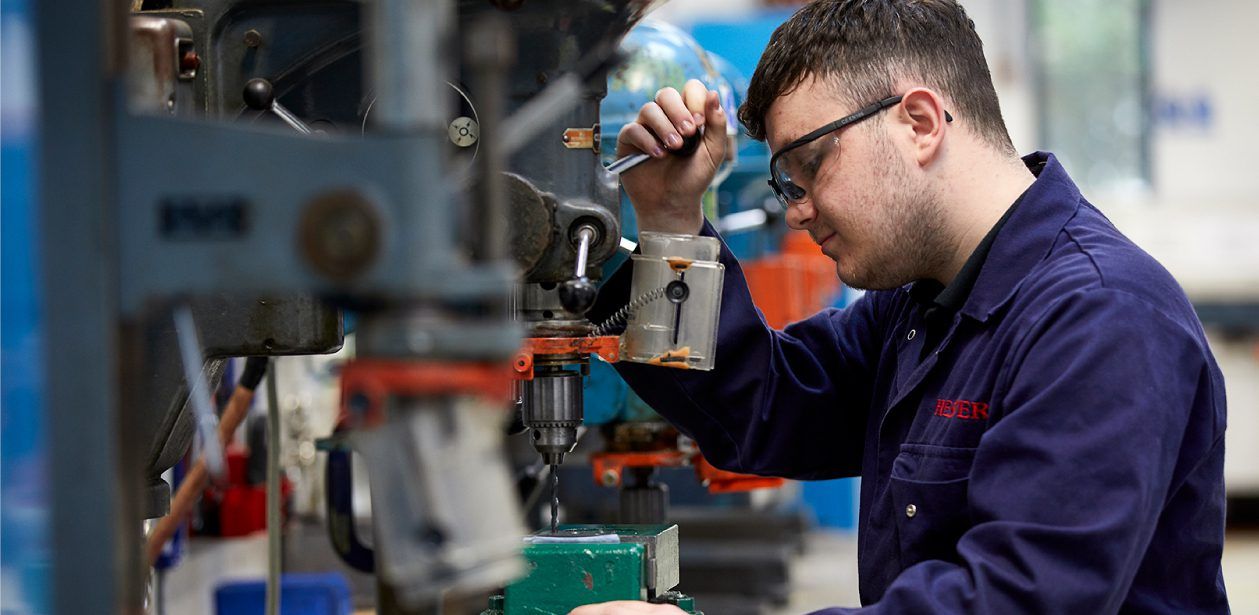
A person in blue coveralls and safety glasses adjusts a metal drilling machine in a workshop.

The Market Right Now

Engineering remains one of the most stable, in-demand career paths worldwide, and the talent gap is growing. Renewable energy, advanced manufacturing, digital infrastructure, and automation are all rapidly expanding, and companies are struggling to find engineers who combine traditional expertise with modern technical skills.


Bridging traditional expertise with advanced skills is the key to success. That combination is what separates a good CV from a great one.


1. AI and Automation Literacy

AI is not coming to engineering; it is already here. From predictive maintenance to product design to manufacturing optimisation, machine learning tools are embedded in engineering workflows across every major industry.


You do not need to be an AI specialist. However, employers are increasingly expecting engineers to understand how these systems work and how to utilise them effectively.


How to build this skill: Start with Python fundamentals, then explore machine learning basics and frameworks like TensorFlow or PyTorch. Focus on real applications in your field, not abstract theory.


2. Data Analysis and Interpretation

Modern engineering runs on data. Civil, mechanical, and electrical engineers alike are now expected to analyse large datasets, model system performance, and translate numbers into decisions.


Data literacy is no longer a bonus skill; it is a fundamental requirement.


How to build this skill: Get comfortable with Python, MATLAB, or R for data analysis. Practise with simulation tools and build your understanding of statistics and modelling.


3. Cloud and Digital Engineering

Large-scale engineering projects increasingly run on cloud infrastructure. Whether you are working in software, smart cities, or connected manufacturing, understanding platforms like AWS, Microsoft Azure, or Google Cloud gives you a meaningful edge.


How to build this skill: Learn cloud fundamentals, explore DevOps practices, and get hands-on with IoT systems if they are relevant to your specialism.


4. Sustainability and Green Engineering

Sustainability has moved from a nice-to-have to a core design requirement. Governments worldwide are mandating greener infrastructure, and organisations are under pressure to decarbonise. Engineers who understand sustainable design, lifecycle analysis, and environmental regulations are in high demand, particularly in energy, construction, and manufacturing.


How to build this skill: Study renewable energy technologies and sustainable design principles. Familiarise yourself with green standards and environmental regulations in your sector.


5. Practical, Real-World Experience

Employers hire engineers who can solve problems, not just describe solutions. Academic credentials open doors, but hands-on experience is what closes the deal.


Internships, placements, and project-based work show employers that you can apply theory in the real world and that you have already done it.


How to build this skill: Pursue internships or industrial placements. Build a portfolio of tangible projects. Enter engineering competitions or contribute to open-source work.


6. Communication and Collaboration

Engineering does not happen in isolation. You will work alongside designers, data scientists, project managers, and non-technical stakeholders. The ability to explain complex ideas clearly and collaborate effectively across disciplines is one of the most underrated differentiators in engineering careers.


How to build this skill: Actively seek cross-functional projects. Practice presenting technical work to non-technical audiences. Develop leadership skills alongside your technical ones.


7. Adaptability and a Learning Mindset

If there is one trait that future-proofs an engineering career, it is this: the willingness to keep learning. Technologies will shift, tools will evolve, and industries will transform faster than most people expect.


Engineers who treat learning as a continuous habit, not a one-time achievement, are the ones who stay valuable.


How to build this skill: Pursue targeted online certifications. Keep up with developments in your field. View each project as an opportunity to develop new skills.



Three industrial workers in hard hats and safety gear collaborate with a laptop and tablet amid welding sparks.

The Bottom Line

Engineering in 2026 rewards individuals who can do more than just engineer. The professionals who excel combine deep technical expertise with digital fluency, practical experience, and strong communication skills.


Focus on AI literacy, data skills, sustainability, and genuine hands-on experience, and you will not just be employable. You will be sought after.


by Lucy Billing 23 March 2026
We are excited to share something we’ve been working on: a refreshed brand for Regional Recruitment that better reflects who we are, what we stand for, and where we’re headed. As a specialist UK recruiter, we believe great hiring means the right fit for real impact. Our new brand clarifies this.
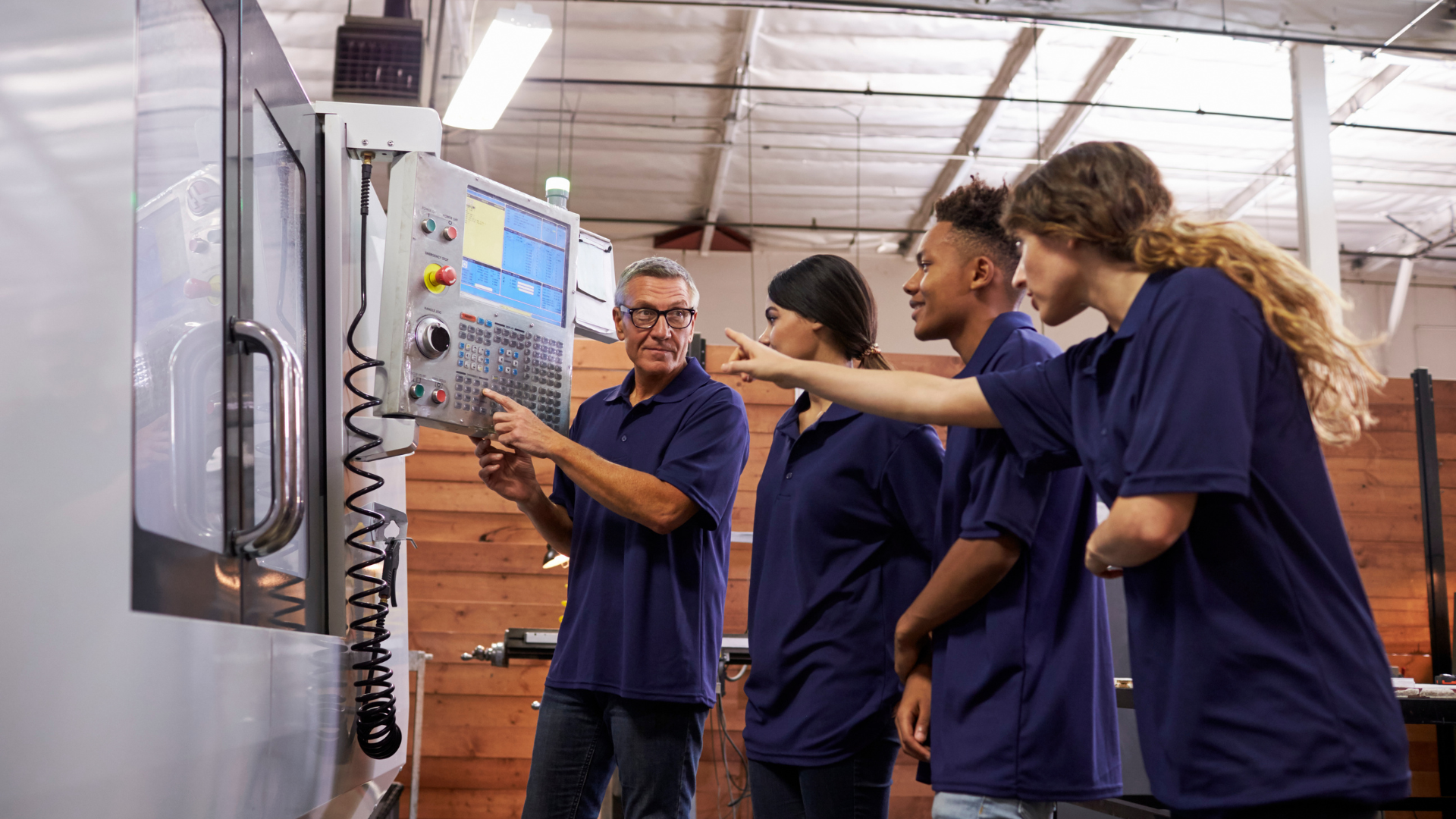
An instructor explains the control panel of a manufacturing machine to three students in a workshop setting.
by Lucy Billing 9 March 2026
Engineering industries are evolving faster than ever, and the competition for skilled talent is intensifying alongside it. For employers, the challenge has shifted from simply filling roles to building teams that can adapt, innovate, and grow with emerging technologies. Traditional recruitment models that filter by credentials and years of experience often miss exactly the engineers’ companies need most.
A person in a purple shirt works at a desk with two monitors and a tablet in a modern office.
by Lucy Billing 27 February 2026
Breaking into tech right now is challenging. We are seeing hundreds of applications per role, entry-level positions demanding years of experience, and talented candidates going months without callbacks. The ones who get hired are not always the most experienced. They are the ones who position themselves strategically.
Person typing on a laptop with digital code and a shield icon overlay, symbolizing cybersecurity and data protection.
by Lucy Billing 9 February 2026
The war for cyber talent in the UK has never been fiercer. Recent reports note that London’s tech and finance firms alone lost an estimated £30 billion to cyber incidents in 2024, forcing businesses to ramp up security hiring. The UK now has roughly 143,000 cyber security professionals but still faces a shortfall of several thousand workers. For employers, 2026 is less about whether to invest in cybersecurity talent and more about how to compete effectively for it.
A person wearing safety glasses and a blue work uniform focuses on operating a drill press in an industrial workshop.
by Hamzah Gaffar 2 February 2026
The traditional route from school to work, accumulate qualifications, then seek employment, is facing its biggest challenge in decades. While higher education remains essential for certain professions, a growing number of young people and employers are discovering that apprenticeships offer something classroom learning often cannot: immediate practical experience combined with structured professional development.
A modern office space with a wooden desk, orange and gray chairs, a vibrant orange accent wall, and indoor plants.
by Lucy Billing 26 January 2026
If you’re still spending hours on online job applications in 2026, you might be getting nowhere. For most competitive roles, resumes submitted through portals rarely get noticed. Algorithms and filters mean even top talent can vanish. Sarah spent two months applying to over 30 jobs online, customising cover letters and tweaking her resume obsessively. The result? Four responses, two rejections, zero interviews. Then she connected with a recruiter. Within two weeks, she had three interviews and an offer by the end of the month. The new reality? Recruiters aren't just middlemen, they're advocates who can open doors, algorithms never will. Building relationships with recruiters is becoming the smartest move for anyone serious about landing their next opportunity.
A person wearing a bright green work glove uses a yellow power drill to fasten hardware to a piece of wood on a floor.
by Lucy Billing 19 January 2026
If you are finding it harder than ever to secure skilled construction talent, you are not alone. Across Europe, businesses are facing unprecedented competition for workers as infrastructure programmes accelerate, housing targets intensify, and specialist projects multiply, all while labour shortages deepen and your workforce ages. 
A person in a business suit handing a document to another person in a white top across a desk.
by Lucy Billing 13 January 2026
In today's competitive job market, many professionals choose to work with recruitment companies rather than applying directly to employers. The reason? Access, expertise, and advocacy that candidates rarely get when job searching alone.
People in an audience raising their hands to ask a question during a presentation in a sunlit room.
by Lucy Billing 18 December 2025
Secure Your Talent. Strengthen Your Culture. Reduce Dropouts.
A person using a laptop with a
by Lucy Billing 11 December 2025
Every year, I see the same thing happen you tell yourself you'll "start fresh" in January. You plan to post your job ads, review applications, and kick off the new year with new hires. But by the time you're ready to move, the best talent has already been snapped up. Recent data shows UK business hiring appetite has dropped to one of the lowest levels in years. Many firms are saying: "We'll wait until next year before recruiting." And while that may feel cautious, it carries real risk. If you're thinking about hiring, here's why now — not January — is the perfect time for you to act.