Manufacturing & Logistics Jobs in 2026: Which Skills Pay More and How to Build Them
Manufacturing and logistics work look different from the roles people entered a decade ago. The idea that industrial work is repetitive, low-skilled, and limited in progression is becoming increasingly outdated, and if you're already working in the sector or thinking about entering it, that creates real opportunity.
Across warehousing, production, distribution, and supply chain operations, employers are investing heavily in automation, digital systems, and advanced machinery. The skills they value most are evolving quickly. And the people who build those skills are commanding stronger wages, better job security, and clearer routes into more senior roles.
The industrial labour market is also under serious pressure right now. Employers across the UK are struggling to find people who combine operational experience with technical ability, flexibility, and reliability and that scarcity has real weight behind it. Businesses are increasingly willing to pay more, offer better conditions, and invest in training to attract and keep the right people.
The employees seeing the strongest wage growth aren't necessarily the ones with the longest CVs. They're the ones who stay adaptable, pick up new skills, and make themselves harder to replace. This guide breaks down exactly which skills are paying more in 2026 and how you can start building them.
The Five Skills Paying More in 2026
1. Automation and Robotics Experience
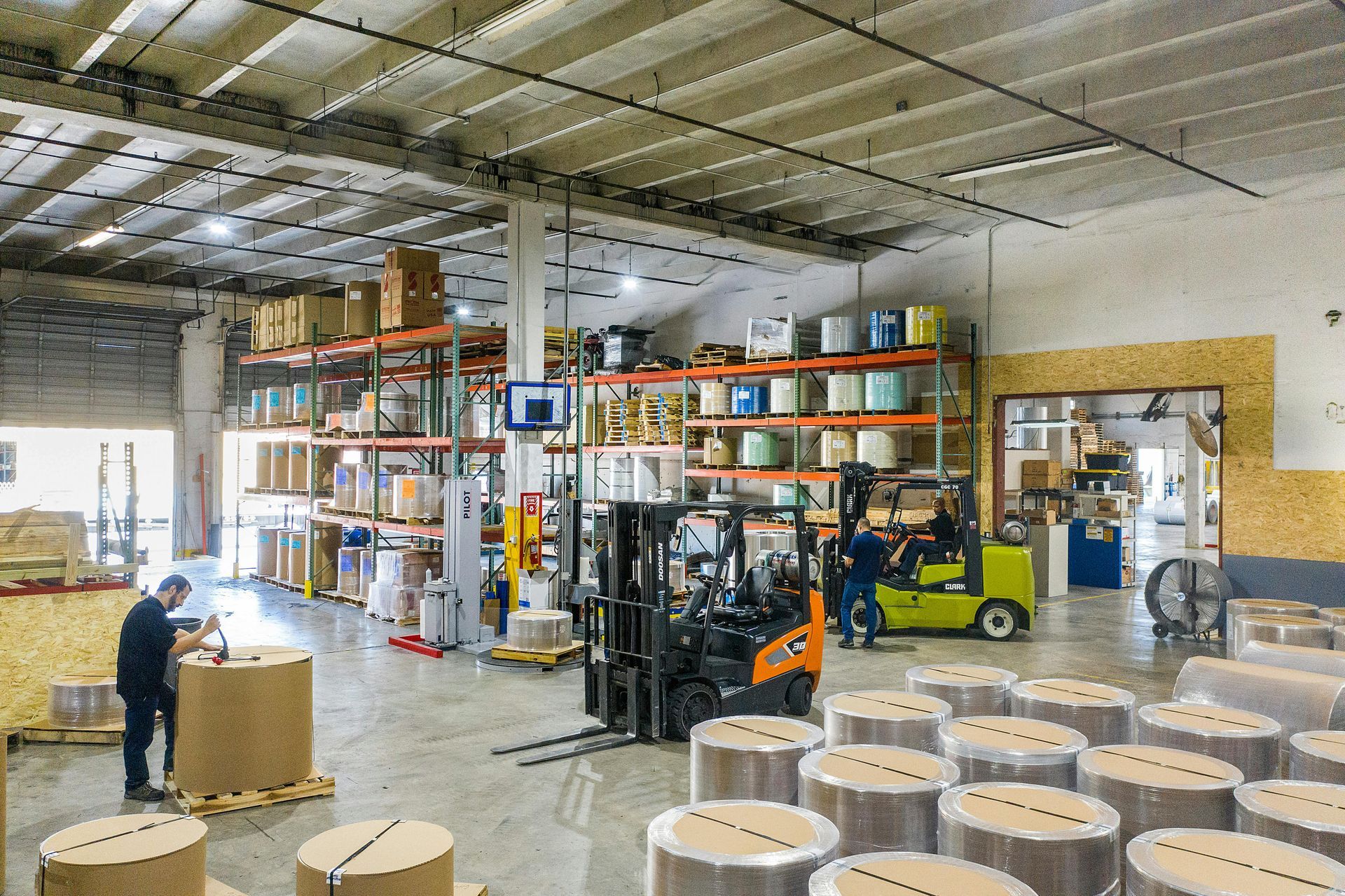
Automated systems are now standard across modern warehouses and manufacturing facilities, including conveyor technology, robotic picking, smart production equipment, and warehouse management systems. Employers need people who can work confidently alongside these systems, not just around them, and that capability is increasingly reflected in pay.
You don't need an engineering degree to get into this area. What employers value is practical confidence and the ability to operate, monitor, and flag issues with automated systems on a day-to-day basis.
Where this pays well: Automation technician, robotics operator, automated warehouse operative, maintenance engineer, mechatronics technician, and controls engineer are among the strongest-paying positions in the sector right now, and demand for all of them is growing.
How to build it: The most accessible route in is often already in front of you. Volunteer to learn new systems on your current site, ask about internal upskilling programmes, or look into equipment-specific training courses. Apprenticeships and manufacturer training schemes are also worth exploring. Familiarity with warehouse management systems alone can open doors that weren't there before.
2. Multi-Skilled Warehouse Operations
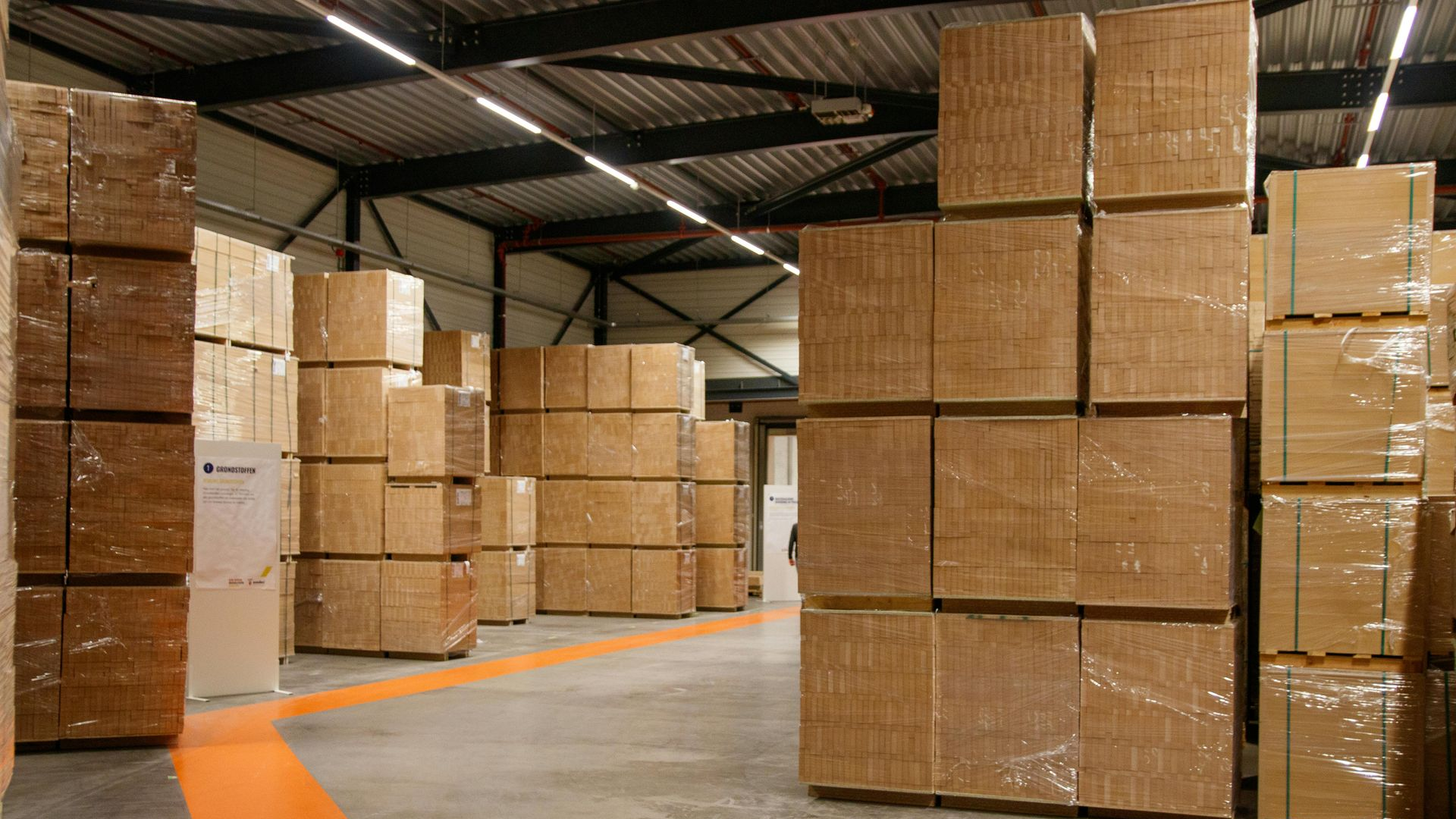
Flexibility is one of the most valuable and most underrated qualities in a warehouse operative. If you can work confidently across goods-in, picking, packing, inventory control, and dispatch, you become significantly more valuable than someone trained in just one area. Employers know that operatives who can move between departments keep the whole operation running when pressure builds, and they pay accordingly.
Where this pays well: Multi-skilled operatives are consistently prioritised for overtime, permanent contracts, and supervisory progression. Roles in inventory coordination, shift leadership, and warehouse management all become more accessible the broader your operational knowledge gets.
How to build it: The simplest route is often just to ask. Tell your supervisor you want to learn other parts of the operation. Workers who proactively seek cross-training consistently stand out, and temporary workers who demonstrate flexibility are far more likely to convert to permanent roles. Forklift certifications, RF scanning, and WMS experience all add further weight to your profile.
3. HGV and Transport Skills
Driver shortages across the UK show no signs of easing. Experienced HGV drivers, particularly those with additional certifications, remain among the better-paid operational roles in logistics and demand continues to outpace supply in most regions. Beyond driving, employers increasingly want people who understand the broader operation: compliance, route planning, fleet coordination, and transport management.
Where this pays well: Class 1 HGV driving commands strong rates across the UK, with further earning potential in transport planning, fleet coordination, and compliance management roles. The combination of driving ability and operational knowledge is becoming particularly valuable as logistics operations grow in complexity.
How to build it: Many employers are currently funding HGV training due to ongoing shortages, making this one of the more accessible entry points into a well-paid industrial career. Once licensed, ADR certification and knowledge of transport compliance software are logical next steps. Each additional qualification you hold materially strengthens your position.
4. Frontline Leadership
One of the most overlooked gaps in the entire sector is frontline leadership. There's a real shortage of supervisors who can manage people effectively while keeping productivity, safety, and morale intact under pressure, and employers are willing to pay well to find them.
Where this pays well: Shift supervisor, team leader, and operations coordinator roles all sit above standard operative pay grades, and strong frontline managers with a track record of maintaining productivity and retention are increasingly difficult to find. This is one area where experience genuinely commands a premium.
How to build it: You don't need a management qualification to start. Taking ownership of small projects, mentoring new starters, leading shift handovers, or stepping up during high-pressure periods all build the credibility employers look for. Practical leadership experience built consistently over time is often more persuasive than a formal qualification. Skills like conflict resolution, performance coaching, and health and safety awareness will strengthen your profile further as you progress.
5. Digital and Systems Confidence
Industrial operations are far more data-driven than they were even five years ago. Warehouses and production facilities now run on real-time reporting, digital scheduling, productivity tracking, and inventory analytics and employees who are comfortable using these systems are progressing faster into coordinator and planning roles than those who aren't.
Where this pays well: Warehouse coordinators, production planners, inventory analysts, and operations administrators all rely heavily on digital systems, and candidates who combine hands-on operational experience with systems confidence are in short supply. This pairing is increasingly what separates a standard operative from a progression candidate.
How to build it: Start with Excel if you haven't already. Free courses are widely available online. Ask to be involved in reporting processes at your current site, and volunteer for any digital transformation projects that come up internally. Becoming the person on your team who's confident with the systems and accurate with reporting is often enough to put you on the radar for the next step up.

How to Think About Your Next Move
The common thread across all five of these areas is the same: employers are paying more for people who offer genuine flexibility, technical confidence, and the ability to take ownership. Technical skills matter, but so do the qualities that often separate two candidates at the same level: reliability, clear communication, strong safety awareness, and a willingness to keep learning. As automation takes on more of the repetitive work, these human qualities become more valuable, not less.
You don't need to overhaul your career overnight. Pick one area from this list that feels achievable in the next three to six months and start there. A forklift licence, a systems course, a cross-training conversation with your manager, small steps compound quickly in a market that's actively looking for people who take their development seriously.
Looking for Your Next Role?
Whether you're after better pay, a new challenge, or a clearer path into a more senior position, we can help. Our team collaborates with candidates across manufacturing, warehousing, logistics, and transport, matching the right people with the right opportunities across the UK.
Get in touch today, and let's find the role that fits where you want to go. Register With Us




Commercial Careers in 2026: How to Position Yourself for Sales, Operations & Office Leadership Roles